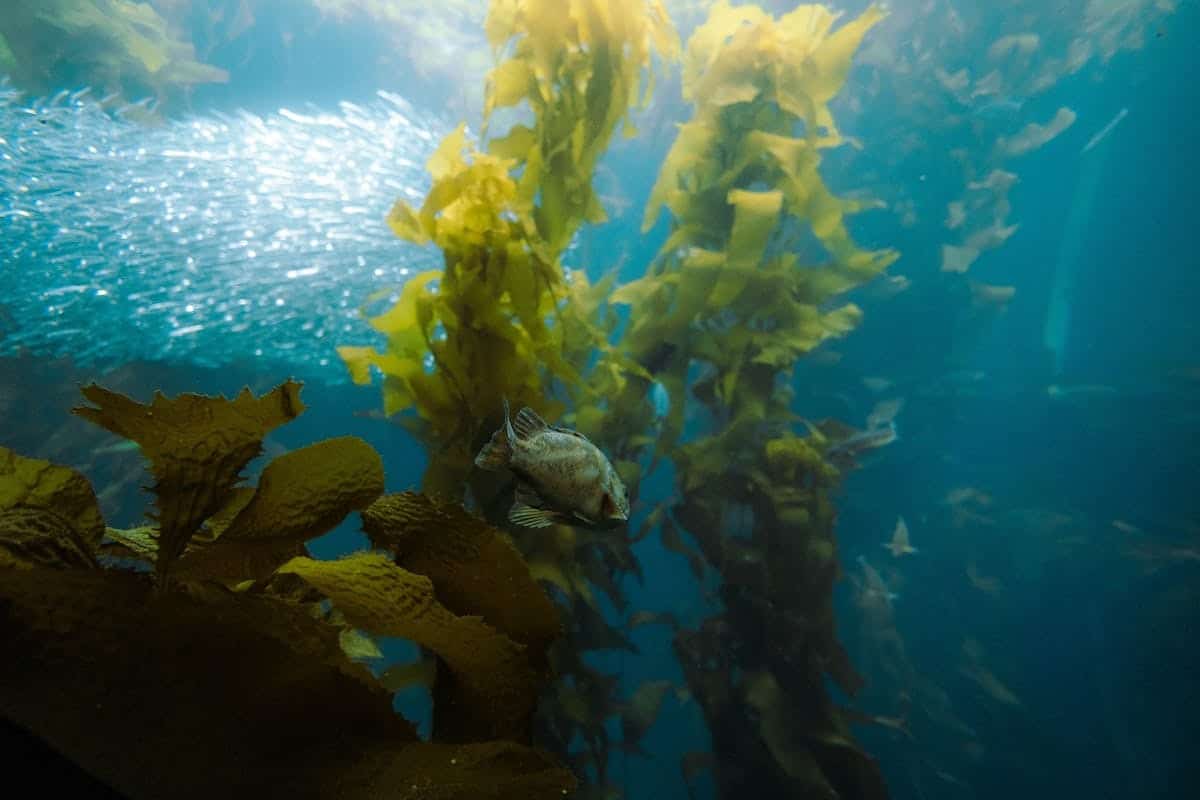
Let’s dive into the fascinating world of Sargassum, a unique sea that has captivated researchers for centuries. Located in the Atlantic Ocean, it is famous for its vast expanses of floating sargassum algae, creating an enchanting ecosystem. Popvoyages.com offers the curious a rare opportunity to explore this natural wonder. Digging deeper, one realizes that this place is full of unresolved mysteries and astonishing biodiversity. An exploration of this puzzling sea promises to be a rewarding adventure, revealing the hidden beauty of our planet.
The Millennia-Old History of Sargassum: A Journey Through Time
Sargassum, this floating brown algae, originates from the waters of the Sargasso Sea located in the North Atlantic. However, in recent years, it is Mexico that has become a fertile ground for an unprecedented proliferation of these algae. This phenomenon has led to the country being associated with the term ‘sargasso mexico’.
To understand how we got here, we must trace back through time and delve into a history closely linked to global environmental and climatic changes. Historically concentrated exclusively around the Sargasso Sea between Bermuda and Puerto Rico, these marine algae have begun to disperse.
Thus, a new hotspot of unprecedented scale has emerged under the name ‘sargasso mexico’. In recent years, indeed, the idyllic beaches of Mexico have transformed into true fields covered by this sargassum. The traditional turquoise waters so emblematic of the Mexican natural landscape have taken on an uninviting brown hue.
The massive increase of this ‘marine sargassum’, as it is locally called in Mexico, remains a subject of study for scientists today. Among the factors considered are the acceleration of global warming and the intensification of polluting human activities such as intensive agriculture and the uncontrolled discharge of wastewater into our oceans.
Despite their unappealing appearance, especially when they wash up on beaches by the ton, sargasso mexico plays a vital ecological role. It provides shelter and food for many underwater species, thus contributing to an incredible marine biodiversity.
However, the major challenge remains learning to coexist with this new presence in the waters of Mexico. How to manage this massive proliferation without disrupting the fragile marine ecosystem? And how to protect local industries such as tourism and fishing that are heavily impacted by this phenomenon?
Local authorities are actively working to find viable solutions to these various issues. Innovative projects are also emerging, proposing to transform this unwanted invader into a useful resource: natural fertilizer or even a source of renewable energy.
The story of ‘sargasso mexico’ is far from over and continues to unfold every day against the backdrop of ocean currents…
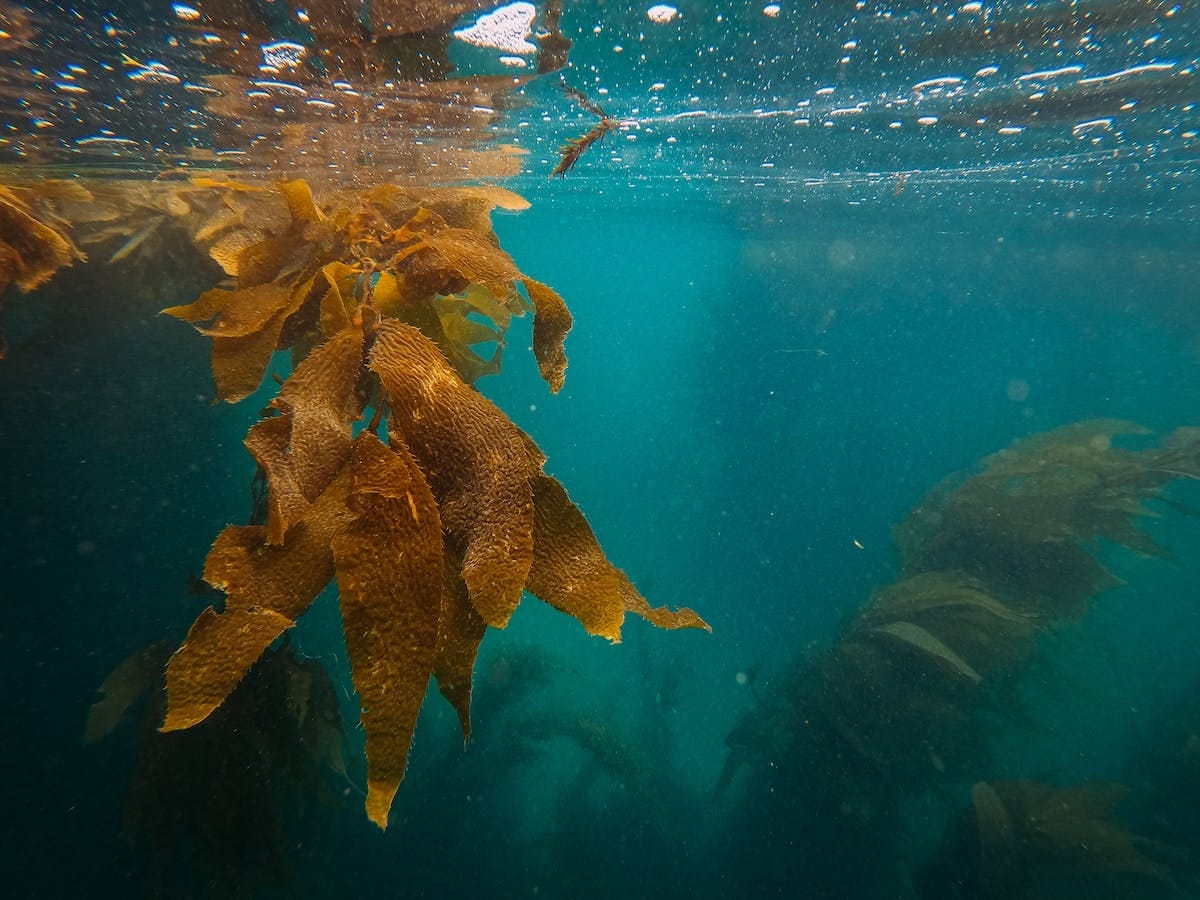
The Incredible Adaptations of Sargassum Species
In this ocean of sargassum, there lies an exceptional biodiversity. The algae provide an ideal habitat for many marine species, thus creating a complex and fascinating ecosystem.
Among the most emblematic residents of the sargassum are the flying fish. These small, seemingly fragile fish are perfectly adapted to life in the floating algae. Their streamlined bodies and elongated fins allow them to glide quickly over the water’s surface and escape predators lurking below.
But it is not only the flying fish that have developed surprising adaptations in this unique environment.
The Dangers Facing This Fragile Ecosystem
In this ocean of sargassum, there lies an exceptional biodiversity. The algae provide an ideal habitat for many marine species, thus creating a complex and fascinating ecosystem.
Among the most emblematic residents of the sargassum are the flying fish. These small, seemingly fragile fish are perfectly adapted to life in the floating algae. Their streamlined bodies and elongated fins allow them to glide quickly over the water’s surface and escape predators lurking below.
But it is not only the flying fish that have developed surprising adaptations in this unique environment. There is also a whole variety of invertebrates such as planktonic crustaceans and pelagic jellyfish that find refuge among these floating plant formations.
Despite all its beauty and ecological importance, the sargassum ecosystem faces several threats that weigh on its fragility.
The first threat is related to the introduction of invasive species from other regions of the world. Sometimes inadvertently transported via ship ballast or intentionally to meet certain economic or social needs, these species can disrupt the already precarious ecological balance of the sargassum by competing with native species for available resources.
The second major threat is marine pollution. Plastic waste, hydrocarbons, and chemicals discharged into the ocean become trapped in the sargassum algae, contaminating this fragile ecosystem and poisoning its inhabitants. This pollution can have disastrous consequences for the survival of the species that depend on it.
Climate change represents another serious threat to the sargassum ecosystem. The increase in water temperature, ocean acidification, and variations in ocean current patterns can disrupt the normal growth of sargassum algae and damage their ability to provide a favorable habitat for marine species.
In the face of these growing threats, it is essential to raise public awareness and encourage sustainable management of this unique ecosystem. Preserving the ecological balance of the sargassum requires collective action involving governments, industries, and individuals to adopt environmentally friendly practices.
Saving the Sargassum: Crucial Initiatives
Preservation initiatives for Sargassum are essential to safeguard this unique and fragile ecosystem. Many stakeholders are mobilizing to find sustainable solutions to preserve the sargassum.
At the international level, several environmental organizations are working hand in hand with local governments to implement integrated coastal zone management strategies. These projects aim to reduce the negative impact of human activities on the marine environment and promote responsible use of natural resources.
In some regions, we are also witnessing the development of local beach cleanup initiatives. Volunteers regularly gather to collect debris washed up on the shore, including sargassum trapped in marine debris. These actions contribute not only to preserving the natural beauty of the coastline but also to protecting marine wildlife that may be affected by these pollutants.
The development of innovative technologies is another major focus in the preservation of sargassum. Researchers are working on developing systems to extract and valorize the nutrients contained in sargassum algae to create compost or even utilize their energy potential as a renewable source. This smart approach could help reduce the excessive accumulation of algae while providing an ecological solution to recycle these precious resources.
It is crucial to educate local populations and tourists about the importance of sargassum and its preservation. Educational programs are being implemented in schools, community centers, and even within hotel complexes to inform the public about the ecological value of sargassum and promote environmentally friendly practices.
Preserving sargassum requires a multidimensional approach that combines public awareness, strengthening environmental legislation, developing sustainable technologies, and the active involvement of local stakeholders. It is imperative that we all participate in these initiatives to safeguard this fascinating ecosystem that harbors extraordinary biodiversity. Sargassum deserves our protection for future generations so they too can enjoy its natural beauty and uncover its deep mysteries.
The Sargassum: An Uncertain Future for Our Planet
The future prospects for Sargassum are both promising and concerning. On one hand, these brown algae offer many potential benefits for our planet. For example, they can be used in the cosmetic industry for their moisturizing and regenerating properties. Their high nutrient content can serve as a valuable source for animal feed.
It should be noted that dead zones exist where fish and other marine organisms cannot survive. Their excessive proliferation can suffocate coral reefs and disrupt the fragile ecological balance of coastal ecosystems.
In light of this complex situation, several avenues are being explored to curb the proliferation of sargassum while preserving their essential role in marine biodiversity.
Some researchers are looking into the development of non-invasive methods that would allow for the control of sargassum growth without harming other marine species or further altering our fragile coasts. Pilot experiments are being conducted to study, in particular, the use of plant hormones or bio-stimulants capable of modulating the reproduction and development of unwanted algae.
On the other hand, monitoring and tracking the movements of sargassum are crucial to anticipate their movements and better understand the factors influencing their proliferation. To this end, the use of drones equipped with specialized sensors allows for precise data collection on ocean currents to refine predictive models. This information can then be used to implement effective containment or collection devices when algae banks approach too close to shore.
Raising public awareness is a key element in the fight against the proliferation of sargassum. Educational campaigns are organized at both local and international levels to inform about the importance of marine species and encourage everyone to adopt good environmental practices. Reducing the use of chemical herbicides and strengthening government policies on the environment are also essential steps to control this global issue.
The mysteries of Sargassum continue to fascinate both for their natural beauty and their ecological complexity. It is imperative that we act quickly to not only preserve these brown algae but also to protect our marine environment as a whole.