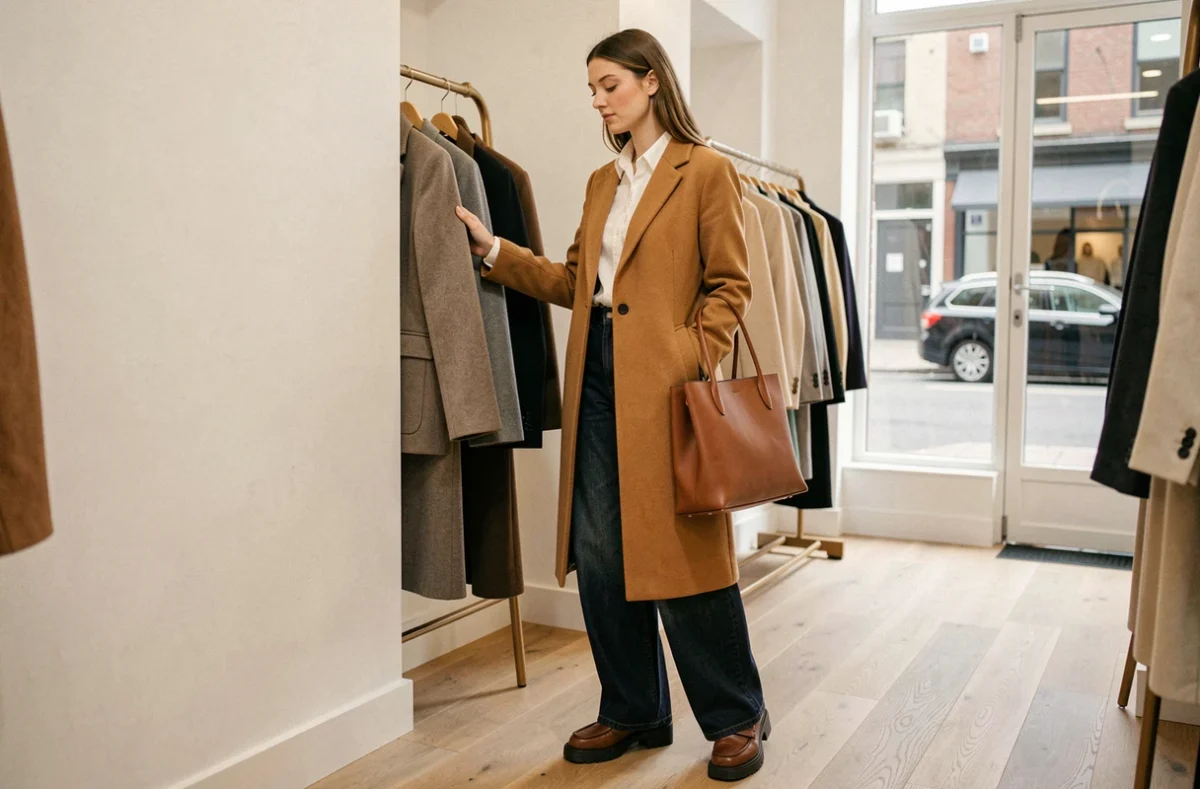
You open your closet one weekday morning, and nothing works. The pants bought six months ago already look outdated, and the jacket doesn’t match any bottoms. This gap between what we own and what we actually wear summarizes the central issue of fashion trends for 2024: choosing pieces that can be combined with each other and remain wearable for several seasons.
Price-Duration Ratio: The Real Style Criterion in 2024
Among consumers under 40, the logic has shifted: we are no longer looking for the cheapest garment, but for one that retains its value over time. Fashion in 2024 is leaning towards the best price-duration ratio, where a durable or easily resellable garment combines stylistic and financial advantages.
This logic changes the way we build a wardrobe. We prioritize jeans made from fabric that lasts several seasons over an ultra-trendy model that distorts after the third wash. We choose a mid-season jacket in a structured fabric rather than a lightweight synthetic bomber.
This approach also transforms daily fashion trends. A piece that resells well in the second-hand market becomes a style argument: we know it appeals beyond just one season. Several brands featured on the Lyly Store website offer clothing designed to last, with cuts that transcend collections without losing their relevance.
Second-Hand and New Pieces: Creating a Trendy Mixed Silhouette

The French second-hand market has significantly grown between 2019 and 2024. Purchases are mostly made between individuals, via Vinted or Leboncoin. We are no longer in the realm of emergency buying: second-hand has become a common consumption reflex.
The daily question is how to mix a vintage or second-hand piece with new items without the result looking mismatched. Here’s what works:
- Anchor the look around a neutral color (beige, navy, off-white) so that the second-hand piece integrates without forcing a contrast
- Reserve new items for structured basics (well-cut pants, solid color shirt) and second-hand for character pieces (printed jacket, patterned dress, patina leather accessory)
- Check the material before buying second-hand: a thick wool or raw denim ages better than a fine polyester that pills quickly
This mix allows for renewing looks each season without replacing the entire wardrobe. We maintain a solid base and rotate strong pieces, whether they come from a thrift store or a recent collection.
Colors and Cuts Trend 2024: What Really Holds the Season
Cherry red has made a statement on the runways this season. It’s a shade close to burgundy that works well in both autumn and spring, on a bag, a pair of shoes, or a sweater. Brown is gradually replacing black in everyday outfits, opening up softer combinations with beige or khaki.

On the cuts side, double denim is returning as a true stylistic choice. Wearing a denim jacket with matching pants is no longer seen as a mistake: we embrace the total look by varying shades (light jacket over raw jeans, for example). Metallic shoes add depth to a sober outfit without requiring special coordination effort.
A more discreet but very useful trend for everyday life: tying a jacket around the waist. The gesture may seem trivial, but it structures a silhouette when wearing a simple t-shirt with straight pants. It’s the type of detail that elevates an outfit from anonymous to thoughtful.
Textile Eco-Design: A Regulation Changing Fashion Purchases
The European regulation on the eco-design of sustainable products came into effect on July 18, 2024. Textiles are among the priority groups. Requirements on durability, reparability, and recyclability will gradually apply to clothing sold in the European Union.
For consumers, this means that labels will become more readable. A digital product passport is in preparation: it would allow knowing the exact composition of a garment, its place of manufacture, and its estimated lifespan. Returns vary on the exact date of implementation, but the direction is clear.
In the meantime, checking the composition on the label remains the most reliable gesture before purchasing. A garment rich in natural fibers (cotton, linen, wool) washes better, is easier to repair, and retains its appearance longer than a low-quality synthetic blend.
- Favor pieces with a simple composition (a maximum of two fibers) to facilitate maintenance and future recycling
- Look at the inner seams: clean finishes often indicate a garment designed to last
- Beware of vague ecological claims (“eco-friendly,” “green”) without verifiable proof, as European regulation will specifically regulate them
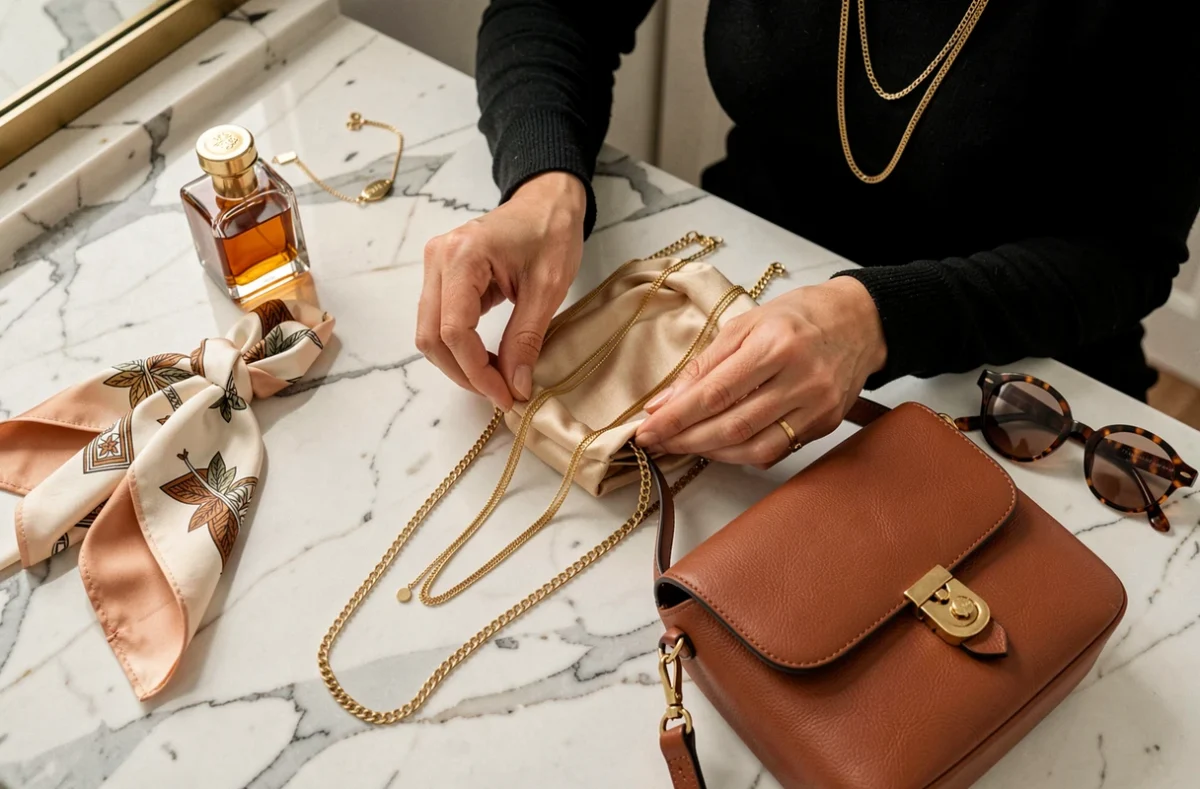
Enhancing your style daily in 2024 does not rely on the number of pieces purchased. Choosing a garment that lasts, knowing how to mix new and second-hand, checking a label before heading to the checkout: these are all simple gestures that give the wardrobe a true direction.