On a Saturday morning, in front of a pen of dwarf goats, a four-year-old boy is seen holding out a piece of hay while his grandmother learns to recognize red clover. This kind of scene is repeating in an increasing number of French farms that have structured real agricultural leisure offerings for all ages. However, one must know what is worth the trip and what is just a simple marked path without content.
Agricultural escape game at an educational farm: the format that changes the visit
The classic farm visit (tour of the barn, petting rabbits, buying jam) remains a good starting point. The problem is that it loses teenagers after twenty minutes.
Several educational farms have integrated a sustainable agriculture-themed escape game, sometimes designed with agricultural high schools or CPIE (permanent centers for environmental initiatives). The principle: solve puzzles related to the water cycle, animal welfare, or crop rotation, with a timer and a real scenario.
This format works because it mixes generations. Children tackle the physical challenges, adults work on agronomic questions, and everyone progresses together. It is recommended to check if the farm offers suitable difficulty levels, as some scenarios designed for school groups lack complexity for an adult group. Feedback on this point varies among structures.
To find farms that offer this type of activity, one can consult the programs of the National Agriculture Days or browse a specialized directory like loisiragri.fr, which lists farms open to the public with their detailed activities.
Practical workshops on the farm: butter making, sowing, and animal care
The practical workshop remains the oldest format of agricultural leisure, and also the most underestimated when well conducted. Making butter with a churn, sowing seeds in pots, brushing a donkey, or collecting fresh eggs: these actions have a tangible effect on understanding the food chain.
What distinguishes a good workshop from a simple gimmick
A good workshop gets hands-on. You don’t just watch a demonstration from behind a barrier; you participate. The child leaves with what they have made (jar of butter, tomato plant, bag of herbs), which extends the experience at home.
For the youngest (three to six years), activities involving animals work better than those in the vegetable garden, because the sensory feedback is immediate: the warmth of a hen, the sound of a goat, the texture of a fleece. For older children and adults, transformation workshops (fresh cheese, sourdough bread, herbal syrup) provide an additional layer of understanding.
- Butter or fresh cheese making: accessible from five years old, takes about an hour, edible result on-site.
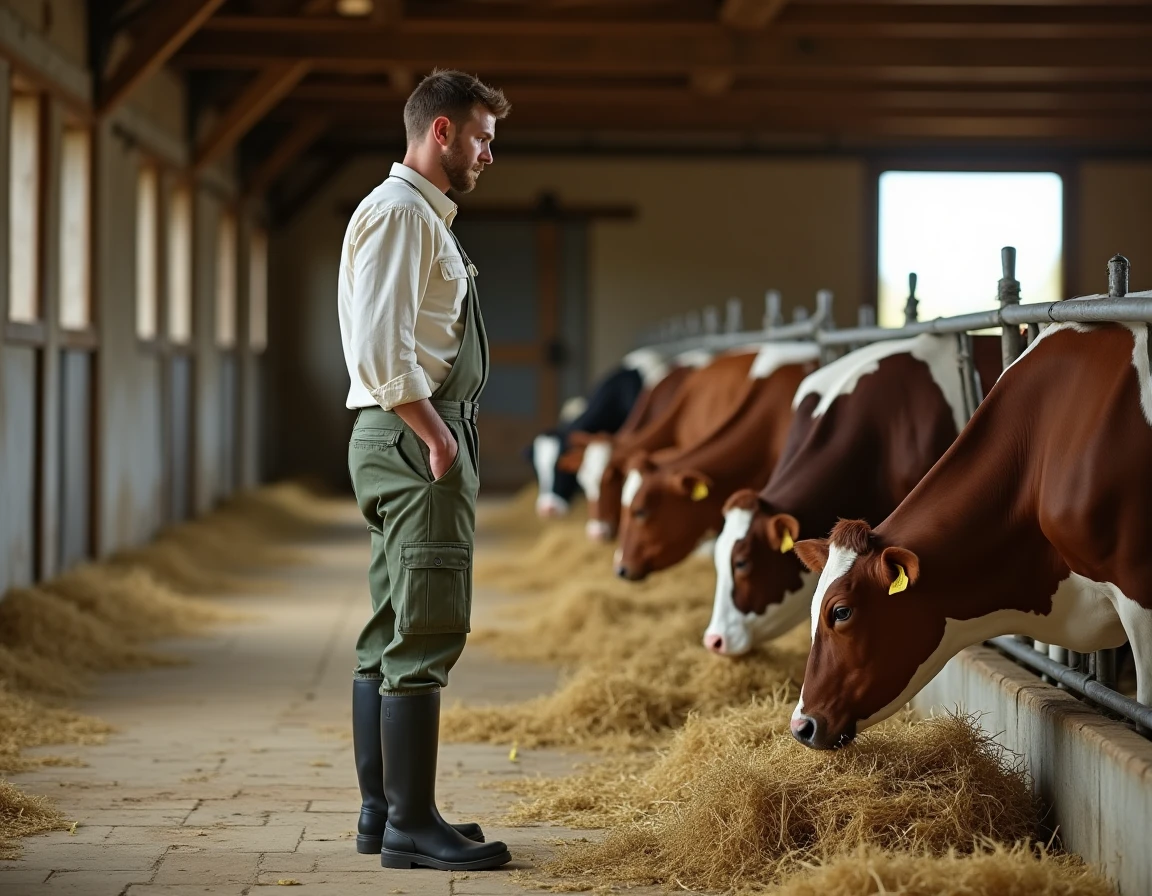
- Animal care (brushing, feeding, cleaning): suitable from three years old, supervised by an instructor, allows for concrete discussions about animal welfare.
- Sowing and transplanting in the vegetable garden: ideal in spring, each participant leaves with a pot to follow at home.
- Distillation of aromatic plants or syrup making: more technical format, recommended from eight years old.
Four-season activity calendar: going beyond summer picking
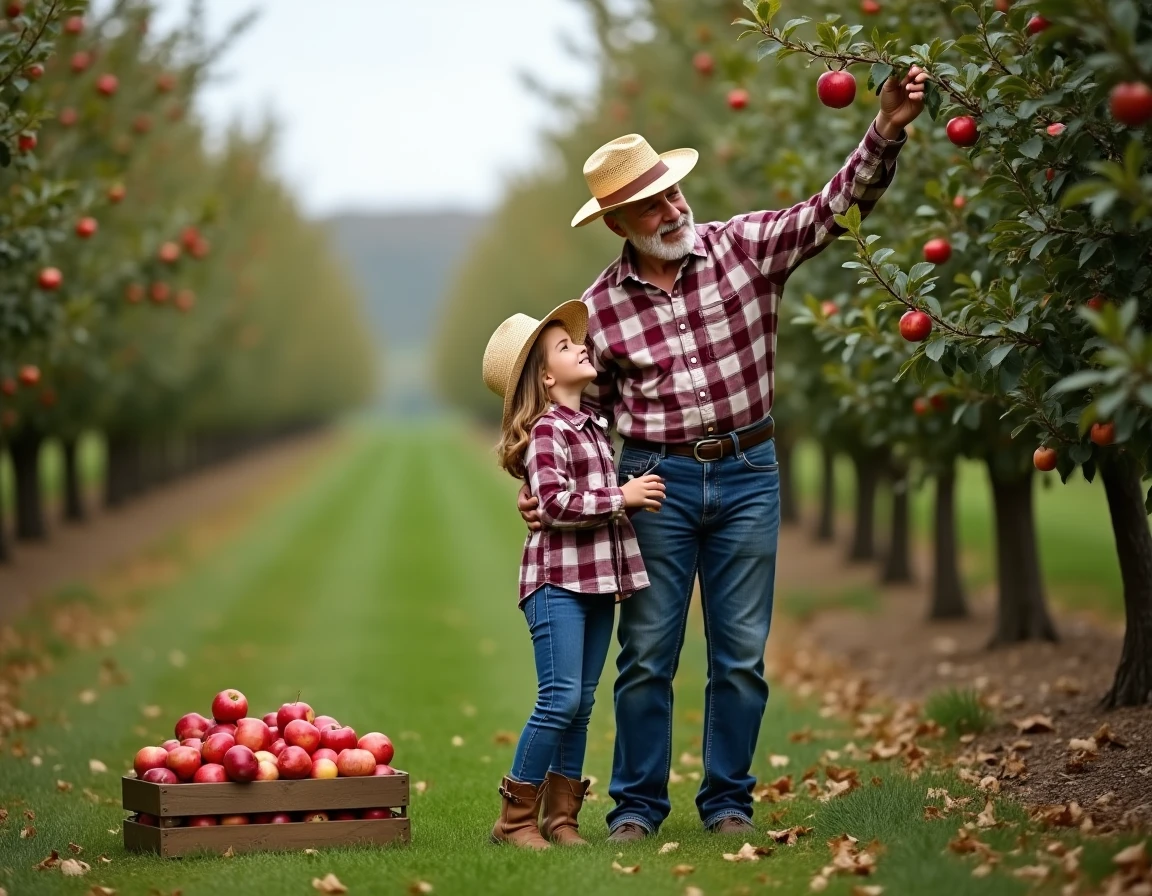
Agricultural leisure is often associated with nice weather. Strawberry picking in June, participatory grape harvesting in September. However, some farms have structured an annual activity calendar around a specific crop, which completely changes the logic of the visit.
A telling example: farms specializing in fir trees offer the picking of young shoots in spring, workshops for making syrup or scented products in summer, educational tours on plantation management in autumn, and direct sales of Christmas trees in winter. This shifts from a one-time outing to a regular connection with the farm.
The interest for families and groups
Returning to the same farm each season allows children to observe the evolution of a crop. The plant seen in March has become fruit by August. This seasonal follow-up has no equivalent in classic leisure activities like amusement parks.
During school holidays, there are also structures that combine mini-farms with animals, outdoor games, and seasonal workshops. This “full-day” format works well for families, provided that the play area is safe and that the workshops are genuinely supervised, not just freely accessible.
Agricultural leisure in the garden: activities to do at home with children
You don’t always have an educational farm nearby. The garden (or even a balcony with a few pots) offers enough space for simple agricultural activities with children.
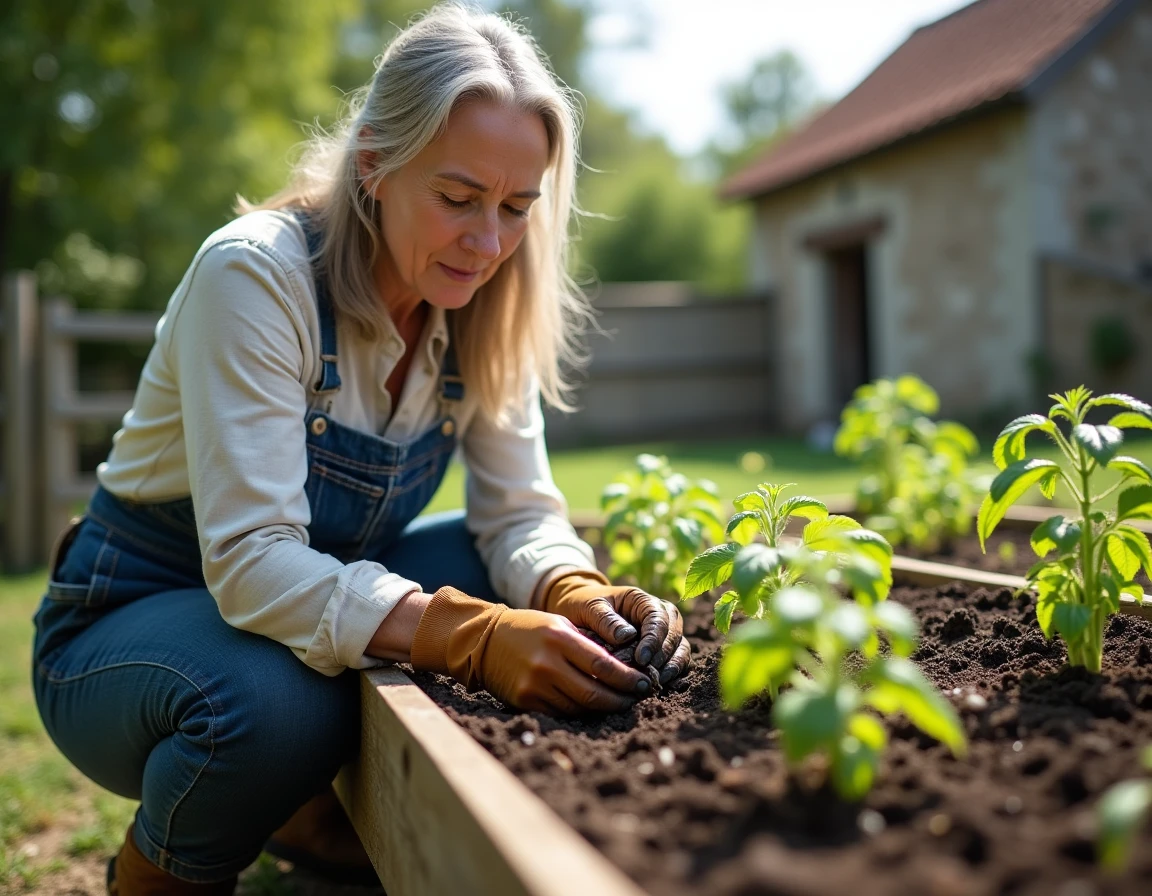
A raised vegetable bed remains the best entry point for a child aged four to ten. You can plant radishes (visible results in three weeks), cherry tomatoes, strawberries. Daily maintenance (watering, weeding, observing insects) creates a routine that teaches patience without being boring.
To go further, making a small composter with reclaimed wood or an insect hotel provides a DIY extension. These projects combine gardening and manual work, which appeals to both children and adults looking for a concrete weekend activity.
- Radishes and salads in pots: quick germination, immediate gratification for the youngest.
- Observation of pollinating insects in the garden: combine a magnifying glass, a sketchbook, and an illustrated guide.
- Building a birdhouse or insect hotel: DIY activity using recycled materials, doable in one afternoon.
Agricultural leisure requires neither expensive equipment nor distant travel. A well-organized farm an hour’s drive away, or simply three pots of potting soil on a windowsill, is enough to give children direct contact with living things. The hardest part is not finding the activity, but choosing one that matches the age of the group and the season.