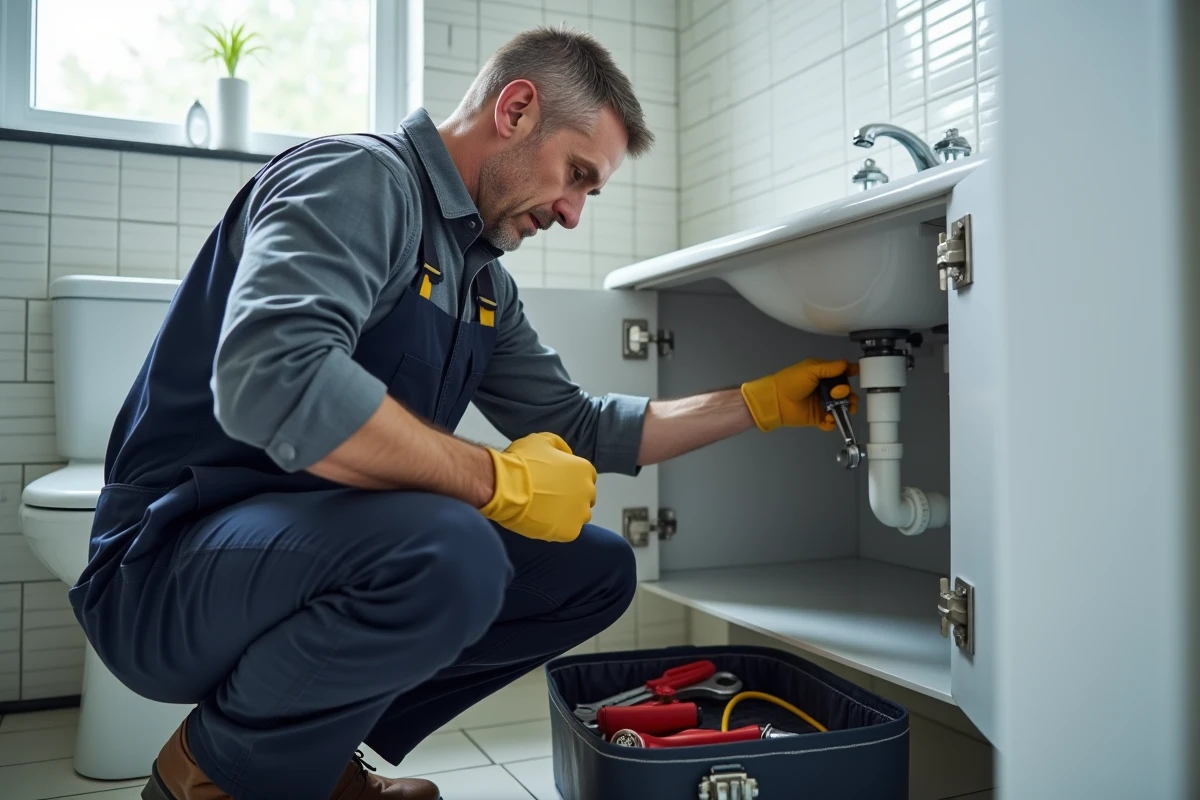
A sink that backs up, persistent odors rising, a toilet that threatens to overflow: the common reflex is to pour in a chemical product or force the passage with a DIY auger. Unclogging drains is still perceived as a simple act, accessible to everyone. Recent developments in the plumbing sector paint a more nuanced picture, where the line between trivial repair and worsening the problem often hinges on the choice of the service provider.
Home insurance and unclogging: what contracts cover (or do not cover)
The insurance aspect is rarely addressed when discussing a blockage in a drain. However, it should be the first reflex to check. Several French insurers now specify in their general conditions that water damage resulting from improper handling may be excluded from coverage, in whole or in part.
The typical scenario: an individual uses a product containing caustic soda or concentrated sulfuric acid, the reaction damages a seal or cracks an aging PVC pipe, and water seeps into the floor or the neighbor below. The expert appointed by the insurer notes the absence of an invoice from a qualified professional. The claim is reclassified, and the coverage is reduced or denied.
For an intervention to be enforceable against an insurer in case of a dispute, it is necessary to produce an invoice issued by an identified service provider: SIRET number, professional liability insurance, and, if applicable, a ten-year guarantee if the intervention affects the embedded network. A receipt for a bottle of chemical drain cleaner does not meet any of these conditions.
Using a professional listed in the plumber directory on Atypik Home allows you to verify these compliance elements in advance, even before requesting a quote.
Chemical products vs. drains: an unfavorable risk-benefit ratio
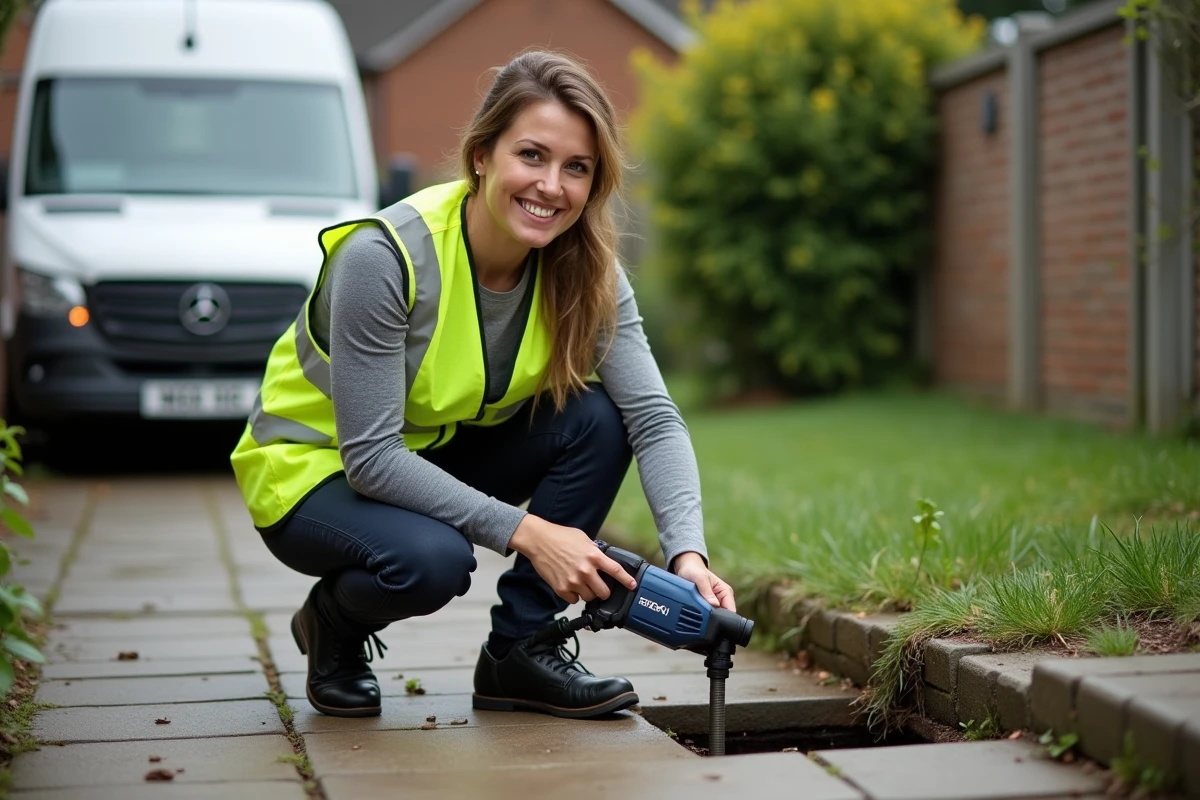
The chemical drain cleaners sold in supermarkets contain corrosive agents (caustic soda, sulfuric acid, chlorine). Their mode of action relies on an exothermic reaction that partially dissolves organic matter. On a small clump of hair in an accessible trap, the result may be sufficient. On a blockage located further down the network, the limitations quickly become apparent.
What chemical products do not do
- They do not address the structural cause of a recurring clog (pipe subsidence, back slope, roots infiltrating an outdoor network).
- They weaken seals and PVC pipes with repeated use, accelerating the aging of the network.
- They have a documented environmental impact on wastewater treatment plants, where residues of acid and soda disrupt the biological treatment of wastewater.
The apparent cost of a chemical product (a few euros per bottle) masks a potentially high deferred cost: replacement of a pipe section, water damage, or even claim rejection by the insurer.
Certifications and traceability: distinguishing a qualified plumber from a simple handyman
The drain unclogging sector has seen increasing demands over the past few years. Referral platforms and major clients now prioritize service providers with recognized certifications: Qualibat, RGE, PG (Gas Professional), Quali’Eau. These labels attest to compliance with current standards (plumbing DTU, health regulations, Public Health Code).
This distinction is not cosmetic. A certified professional takes responsibility for the compliance of their intervention. In case of subsequent problems, the traceability of the service (intervention report, before/after photos, detailed invoice) constitutes an exploitable file with an insurer or a court.
Conversely, a handyman found through an unverified ad, without a visible SIRET number and without professional liability insurance, operates in a legal gray area that leaves the client without recourse. Field feedback varies on this point: some non-certified artisans perform satisfactory work, but the lack of a formal framework remains a risk factor for the individual.
Points to check before validating a quote
- Active SIRET number (verifiable on online professional directories).
- Current professional liability insurance certificate.
- Mention of a sector certification (Qualibat, Quali’Eau or equivalent).
- Detailed quote specifying the proposed method, the equipment used, and the flat or hourly rate.
Professional unclogging methods: hydro-jetting and camera inspection
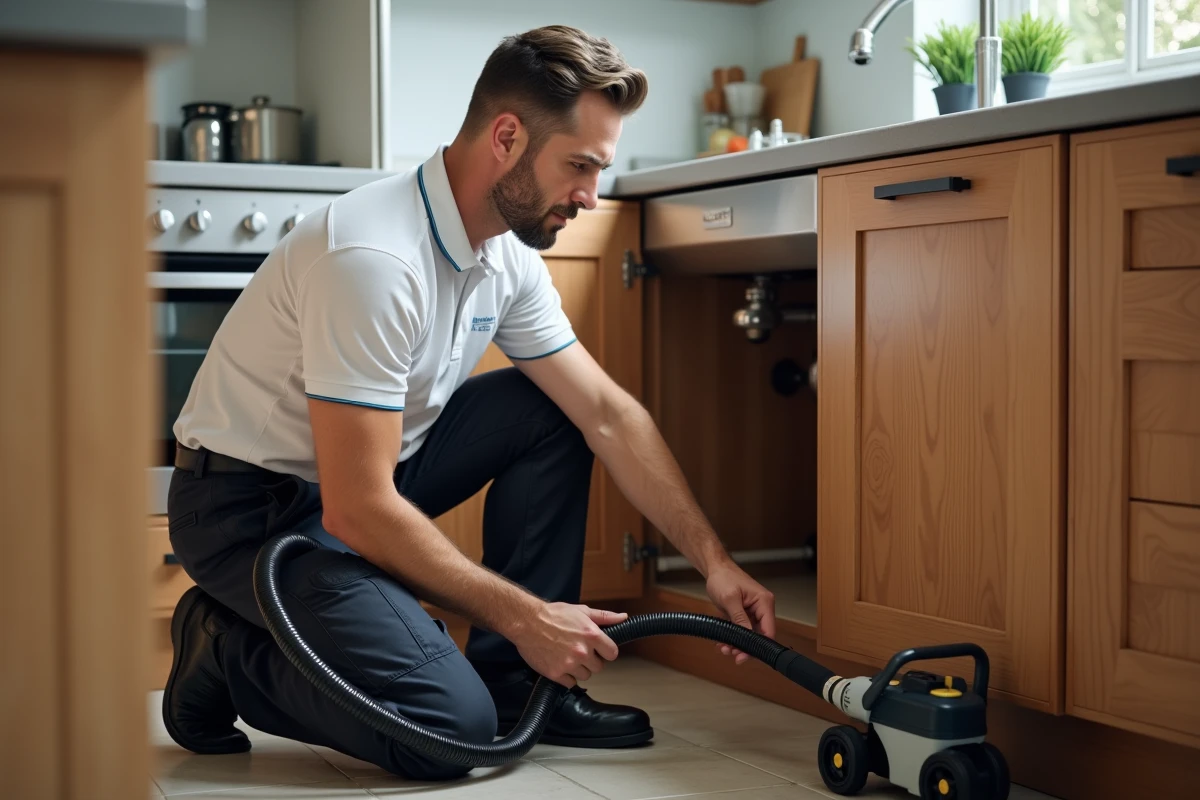
A professional unclogging service does not simply force the passage. The standard intervention sequence begins with a diagnosis, often performed by camera inspection of the drain network. A waterproof camera is introduced into the conduit to precisely locate the blockage, assess the condition of the walls, and detect any structural defects (cracks, joint misalignment, root intrusion).
The actual unclogging then relies on techniques adapted to the diagnosis. Hydro-jetting, which projects high-pressure water into the drain, dislodges grease, limescale, and tartar deposits without chemically attacking the walls. This method restores the nominal diameter of the pipe and reduces the risk of recurrence in the short term.
For mechanical obstructions (stuck objects, partial collapse), the professional may use an appropriately sized electric auger or, in the most severe cases, intervene on the damaged section. The choice of method depends on the prior diagnosis, not on a one-size-fits-all protocol applied blindly.
Preventive maintenance of drains: an often-overlooked angle
The majority of emergency unclogging interventions result from prolonged maintenance neglect. Kitchen grease, soap residues, hair, and wipes gradually accumulate until they form a compact blockage that neither a plunger nor a chemical product can effectively treat.
A regular preventive cleaning by a plumbing professional helps maintain normal flow and identify network vulnerabilities before they cause damage. This preventive approach remains rare among individuals, while it is systematic in condominiums and public establishments, where regulations impose maintenance frequencies.
Unclogging a drain is not a trivial act when the problem exceeds a simple clogged trap. Between insurance exclusions, the weakening of pipes by chemical products, and the absence of diagnosis on the real cause of the blockage, the reasons for entrusting the intervention to a qualified professional are less about comfort and more about risk management.