
In France, the proportion of pets covered by health insurance remains low. According to a report published on September 22, 2026, 13.6% of dogs and 4.4% of cats are insured, and overall coverage has made little progress since 2022. This situation coexists with a documented rise in veterinary fees and an increasing concentration of clinics in integrated networks.
Increase in veterinary costs: what the Competition Authority reveals
The cost of veterinary care does not follow a linear trajectory. It depends on the type of facility, whether or not it belongs to a network, and the geographical context. In its opinion No. 25-A-12, adopted on October 13, 2025, and published on October 24, 2025, the Competition Authority pointed to the development of integrated veterinary clinic networks as a factor contributing to rising prices.
The Authority recommends better information for pet owners regarding the prices charged and the affiliation of clinics to a network. This lack of transparency complicates the comparison of quotes and makes it difficult to anticipate animal health expenses.
For an owner, comparing coverage options also means looking at reimbursement limits and the actual out-of-pocket expenses. Taking out pet insurance with La Maison des Animaux allows access to a comparison of plans tailored to this pricing reality, taking into account accident, illness, and routine care coverage.
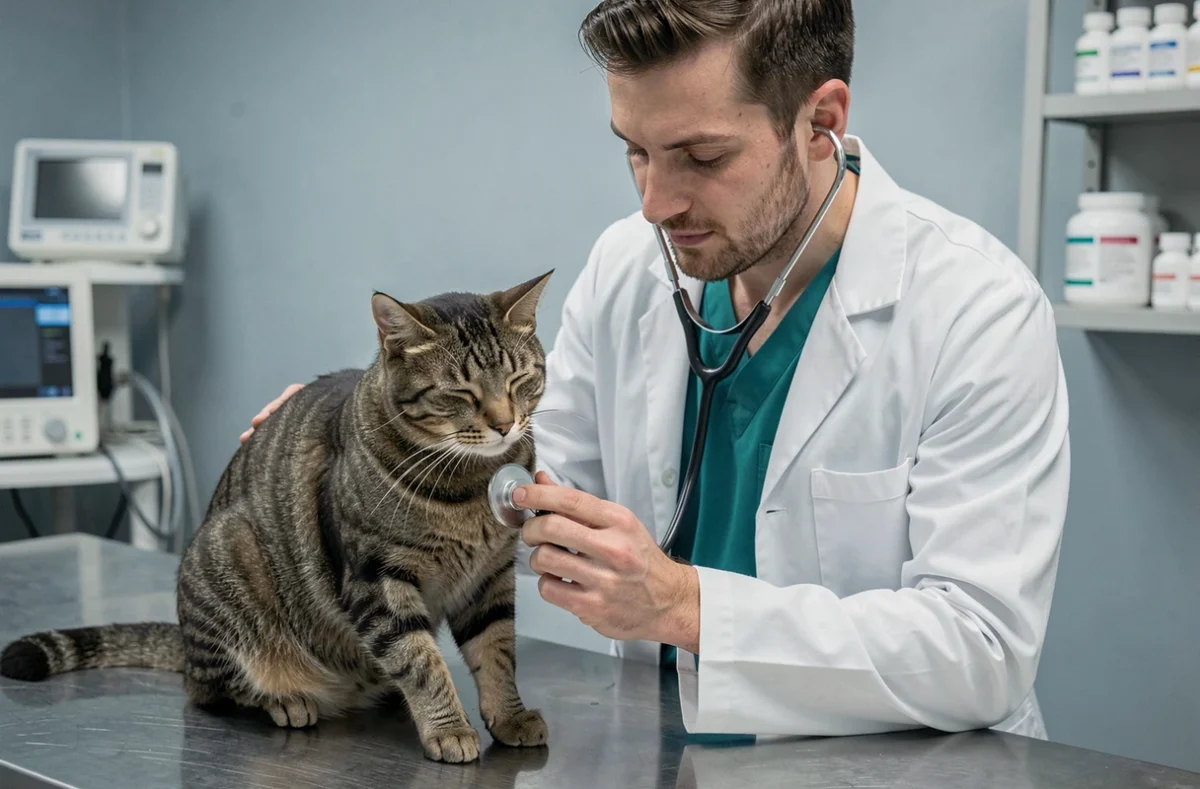
Cat insurance and dog insurance: an unexplained coverage gap
The gap between the insurance rates for dogs and those for cats is striking. Cats are insured three times less than dogs, even though they represent a pet population that is at least as significant.
Several hypotheses circulate among industry professionals: cat owners may consult clinics less frequently, indoor cats are perceived as less exposed to accidents, and pet health insurance plans have historically been designed around dogs. Field feedback varies on this point, and no study published in the available context definitively resolves the issue.
This discrepancy has a direct consequence. When a cat develops a chronic illness or requires emergency surgery, the uninsured owner faces a bill that can be very high, without having budgeted for this expense. The lack of coverage delays or prevents access to care, which directly affects the animal’s well-being.
Veterinary emergencies: the extra cost related to the place of care
A rarely discussed angle concerns the difference in cost depending on the context of the emergency. The report published on September 22, 2026, distinguishes between interventions performed at home and those carried out in a clinic. Emergency care in a clinic is significantly more expensive than home interventions.
Pet health insurance thus protects not only against the risk of illness or accident. It also absorbs the extra cost related to the place and time of care. A night consultation in an emergency clinic can represent a much higher amount than a scheduled consultation during the day.
What an accident and illness plan really covers
Pet insurance plans generally fall into three categories:
- The accident-only plan, which reimburses costs related to trauma (fracture, ingestion of foreign body, bite) but excludes illnesses.
- The accident and illness plan, which adds coverage for consultations, examinations, and treatments related to a condition diagnosed by a veterinarian.
- The comprehensive plan, which also includes preventive care: annual vaccinations, deworming, dental cleaning, and sometimes sterilization.
The choice between these plans depends on the animal’s age, breed, and lifestyle. An older animal or one predisposed to certain conditions benefits more from an illness plan, while a young active dog is more exposed to accidents.

Criteria for choosing pet health insurance: beyond the annual price
The price of the annual premium is not enough to evaluate the relevance of an insurance policy. Several criteria determine the actual quality of coverage:
- The annual reimbursement limit, which sets the maximum amount covered in a year. A limit that is too low makes the plan ineffective in case of prolonged hospitalization.
- The effective reimbursement rate, which varies according to the plans and insurers, and which applies after deducting the deductible.
- The waiting periods, the time after subscription during which the guarantees are not yet active. These periods vary depending on whether it is an accident or an illness.
- The exclusions of guarantees, particularly hereditary diseases, pre-existing conditions, or age limits at subscription.
The actual out-of-pocket expense after reimbursement is the true indicator of a plan’s value. Examining all the conditions before subscribing avoids unpleasant surprises during a costly intervention.
Age limit and late subscription
Most insurers set an age limit for subscription, often around seven or eight years for dogs and cats. Subscribing early allows for lower premiums and avoids exclusions related to already declared conditions.
For animals adopted in adulthood, options become limited. Some plans accept older animals but apply higher deductibles or reduced reimbursement limits.
Pet health insurance remains a financial tool whose usefulness depends on each animal’s profile and its owner’s choices. The rise in veterinary fees and the lack of transparency regarding prices make comparing plans more necessary than ever. The low insurance rate for cats, in particular, suggests that the market has not yet found the right lever to convince a majority of owners.