No one dreams of buying a plot of land to collect prohibitions. Yet, the reality of a classified non-buildable plot imposes itself: here, no house, no chalet, not even a garden shed. The rules vary from one municipality to another, and the list of exceptions sometimes resembles an administrative puzzle that even seasoned owners find confusing.
It is impossible, then, to suddenly become a builder on this type of plot. But on the margins of prohibitions, the regulations, sometimes more flexible than one might think, open the door to alternative uses. Certain activities, either regulated or simply overlooked, allow one to breathe life into a plot that was thought to be doomed to oblivion.
Understanding the rules governing the use of non-buildable land
Before getting excited about a project, it is impossible to ignore the legal framework. The local urban planning plan (PLU) defines, zone by zone, what is permissible or not on each non-buildable plot. This document indicates whether a plot is agricultural, natural, or forested, and what uses are legally permitted. The essential reflex: contact the urban planning department of the town hall. There’s no escaping it; even for installing a fence or a temporary shelter, a prior declaration of work is sometimes required.
Above all, it is about preserving environmental balance: prohibition of permanent constructions, respect for spaces, and often, the absence of water, electricity, or sanitation connections to limit the temptation to build. Believing one can circumvent the rule quickly meets reality. A classified plot, whatever it may be, imposes its share of strict restrictions, sometimes singular opportunities, but sets difficult limits to cross.
Before imagining anything, it is better to:
- Take the time to read the urban planning code to grasp the nuances, particularly around the definition of buildable land and special cases.
- Precisely identify the zone in the PLU corresponding to your plot.
- Periodically check for any changes in the PLU, as a change in zoning can disrupt everything.
To explore other avenues or financial approaches, Klottra’s advice clarifies the pitfalls to avoid and the real possibilities of these so-called unusable plots.
What activities are actually allowed and feasible?
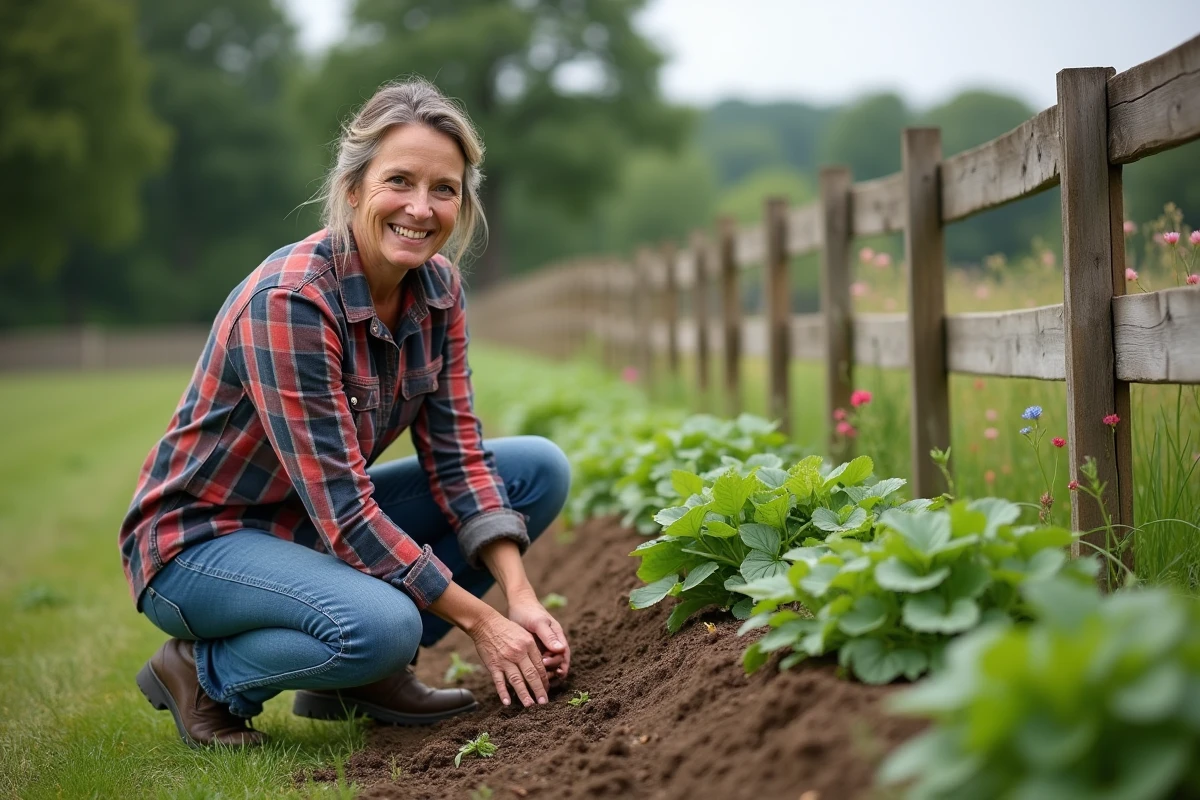
Even when all construction remains impossible, some serious options are available to you. The first reflex: think agriculture. Growing vegetables, planting fruit trees, or keeping a small number of animals: these uses fit perfectly with plots classified as agricultural or natural. It’s a concrete way to value the land without laying a single stone.
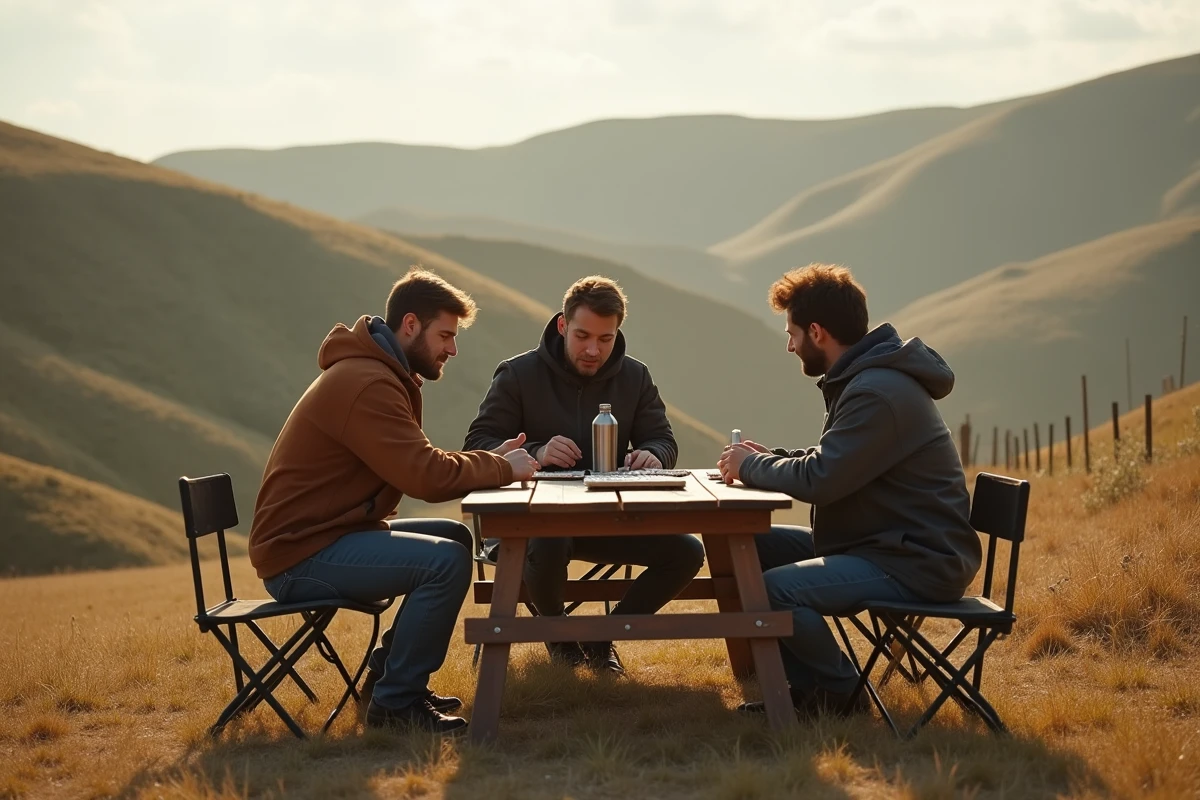
Some dream instead of turning it into a recreational area. One then stays with basic and transportable equipment: table, vegetable garden, shaded dining area, play space. Everything must maintain its temporary aspect, with no permanent ground occupation. Some opt for a removable shelter, attempt to install a beehive, or a temporary mini-greenhouse. The important thing: the whole must be able to disappear without a lasting trace if the town hall requires it.
On the leisure side, imagination strikes: family picnics, a small health trail, outdoor games, a welcoming area for pets, as long as no heavy installations freeze the landscape, the project has a good chance of approval.
The ecological wave also allows for different thinking. The installation of solar panels or a photovoltaic solution is attracting more and more enthusiasts. Some communities are playing along with their non-buildable areas, provided they have the prior agreement of the urban planning department and sometimes the energy regulation commission. The goal: to generate energy, obtain income, and give utility back to the plot without altering its original purpose.
As for the tiny house or mobile home on the land, they appeal to proponents of a minimalist lifestyle, as long as all the boxes are checked: real mobility, total absence of foundations, occasional use. The leniency of the authorities has its limits; a misstep can be costly, so it’s best to anticipate and never force the issue.
Concrete ideas and tips to make the most of your land
Sometimes, one believes that a non-buildable plot has no concrete future. However, those who use it daily explore many other uses, often collective or collaborative. The goal: to enhance the space lightly, and above all, never to stray from the framework set by law.
To better understand the possibilities, here are some accessible and tested ideas:
- Start a participatory orchard, involving neighbors or family members around the planting of local trees and the creation of resilient biodiversity.
- Set up a community garden: everyone cultivates a part, shares tools, and helps each other with organization and harvesting.
- Transform the area into a nature recreational area: amateur trails, educational paths, relaxation spaces. Structures remain removable, respecting the spirit of the raw land.
- Allocate a section for the installation of beehives: to produce honey or promote pollination, provided the distance from homes and roads is respected.
To ensure these projects endure, always opt for quick-to-remove setups: removable shelters, easily transportable furniture, mobile devices. Installing a rainwater reserve or equipping with portable dry toilets allows for greater autonomy without falling into illegality.
Whatever the project, always ask the local urban planning department: a prior declaration of work may sometimes suffice. Involving neighbors and regularly discussing with the town hall helps avoid many unexpected disappointments and anchors its use in the life of the territory.
Ultimately, this kind of space does not tolerate inertia. It demands to be invested in, transformed by the community, energized by fresh and respectful ideas within the framework. A non-buildable plot is never definitively fixed: it just waits to be reinvented, season after season.