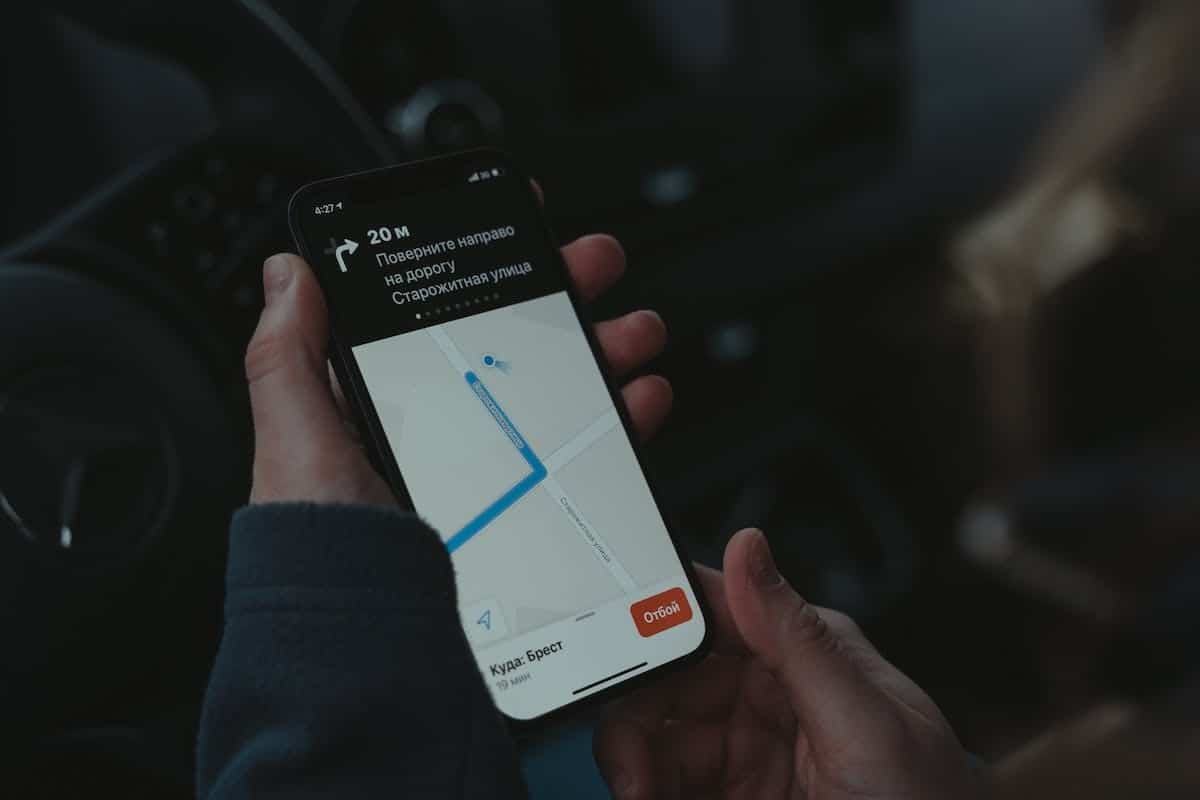
In the midst of the digital age, mobile applications play a crucial role in our daily lives. Among them, Waze has established itself as an indispensable tool for road users. This application is not limited to just this category of users. Indeed, it also offers valuable features for pedestrians. From route planning to signaling potential hazards, as well as real-time location sharing, Waze has become a reliable travel companion, not only for drivers but also for those who prefer to walk.
Waze: the growing success of pedestrian navigation
The rise of Waze in pedestrian navigation is undeniable. While the application was initially intended for motorists, it has successfully expanded its scope to include the specific needs of pedestrians. With the constant growth in the number of users choosing to walk, Waze has adapted by offering an optimal user experience for this category of users.
Waze for pedestrians offers several key features that greatly simplify the lives of walkers. The application allows for easy trip planning by taking into account pedestrian-only crossings and shortcuts accessible only to them. It also provides an intuitive interface that displays recommended routes with precise indications of estimated walking time.
But that’s not all! Waze also integrates an intelligent system for signaling potential hazards on the pedestrian’s path: potholes, ongoing construction, or risky areas are all taken into account to ensure optimal safety while walking.
Using Waze for pedestrians has its advantages but also some drawbacks. Major advantages include the ability to avoid certain congested streets thanks to information provided by the Waze community and, above all, the active participation in the continuous enrichment of this collaborative application. It should be noted that some users may be distracted by their smartphones when using the application while walking.
To optimize the use of Waze as a pedestrian, it is essential to plan trips in advance, activate notifications to stay informed of any changes along the way, and maintain heightened vigilance while consulting the application to avoid any accidents.
As for the future developments of Waze for pedestrian users, they promise to be exciting. The potential introduction of features such as voice recognition or augmented reality could revolutionize the user experience by allowing pedestrians to use the application without constantly staring at their smartphones.
Waze has established itself as an invaluable ally in urban navigation, both for drivers and for pedestrians. Its adaptation to the specific needs of walkers reflects the constant concern of this innovative application to provide an optimal user experience.

The advantages of Waze for pedestrians in detail
Waze users can also benefit from a unique feature: group navigation. This option allows pedestrians moving together to stay connected and share their location in real time. Whether it’s for a stroll in the city with friends or to find a group at an event, this feature offers a fantastic opportunity for coordination and facilitates group walking.
It’s important to highlight the social aspect of Waze for pedestrians. The application offers an active community where users can exchange information about the best routes, report problems encountered along the way, or share tips to make their trips more enjoyable. This creates a true solidarity among walkers and contributes to the constant improvement of the user experience.
In a world where urban mobility is constantly evolving, Waze stands out as a major player that continues to innovate to meet the specific needs of pedestrians. Thanks to its key features such as precise trip planning, signaling potential hazards, and group navigation, this application offers a unique experience in the field of pedestrian navigation.
It is undeniable that the growing use of Waze among pedestrians reflects the increasing success of this application, which has completely rethought our way of moving around daily. Its adaptability to different modes of transport makes it an indispensable tool for all city dwellers seeking a simplified and secure navigation experience.
Waze for pedestrians is much more than just a navigation application. It is a platform that makes life easier for walkers by offering key features tailored to their specific needs. Whether it’s to avoid congested streets, signal potential hazards, or coordinate movements with others, this application stands out as a true travel companion in our urban journeys.
Waze: a major influence on urban mobility
The impact of Waze on urban mobility cannot be overlooked. By providing pedestrians with an effective solution for planning their routes and avoiding traffic jams, this application has contributed to reducing congestion and improving traffic flow in the city. Many users have reported a significant decrease in their travel time thanks to Waze’s unique features.
By encouraging the use of public transport, Waze has also played a role in promoting more sustainable mobility. The application provides accurate information on bus and train schedules, allowing pedestrians to better plan their multimodal journeys. This integrated approach encourages the combined use of different modes of transport, which reduces the number of individual cars on the roads and contributes to better environmental quality.
By signaling potential hazards such as roadworks or risky areas, Waze helps prevent accidents and ensures increased safety for all road users. Pedestrians can thus avoid certain problematic neighborhoods or take alternative measures to bypass these potentially dangerous situations.
The positive social influence exerted by Waze is undeniable. The creation of an active community where users share tips and advice reinforces the sense of belonging and facilitates exchanges among walkers. This not only encourages solidarity among pedestrians but also fosters the emergence of a true collaborative spirit in our urban travels.
However, it should be noted that excessive use of Waze can sometimes contribute to saturation problems in certain areas. Indeed, when all users take the same routes recommended by the application, it can lead to excessive traffic concentration on certain roads and thus generate unexpected traffic jams.
Waze has revolutionized the way we move around the city by offering pedestrians a simplified navigation experience tailored to their specific needs. With its innovative features such as precise trip planning, signaling potential hazards, and its unique social aspect, this application has an undeniable impact on our urban mobility. However, it is crucial to use these tools in moderation to avoid any negative effects on local traffic.
Waze for pedestrians: advantages and disadvantages to know
In the world of navigation applications, Waze has managed to stand out by offering a unique experience for pedestrians. Its use is particularly suited to this specific context.
One of the main advantages of Waze for pedestrians lies in its ability to provide real-time information on traffic conditions. Thanks to its advanced features such as live traffic management and reporting road incidents, this application allows users to anticipate potential obstacles on their path. Pedestrians can thus avoid certain congested routes or take alternative measures to save valuable time.
Practical tips to make the most of Waze as a pedestrian
The use of Waze as a pedestrian can be optimized with a few simple but effective tips. It is recommended to customize the application settings according to personal preferences. By accessing the settings, users can choose to display pedestrian-only routes and disable those intended for motorists. This adjustment helps to avoid navigation errors and ensures a route suited for walking.
It is wise to use the ‘Explore’ feature implemented by Waze to facilitate the discovery of surroundings when walking. This option provides a comprehensive list of interesting places such as restaurants, shops, or historical monuments near the user’s current location.