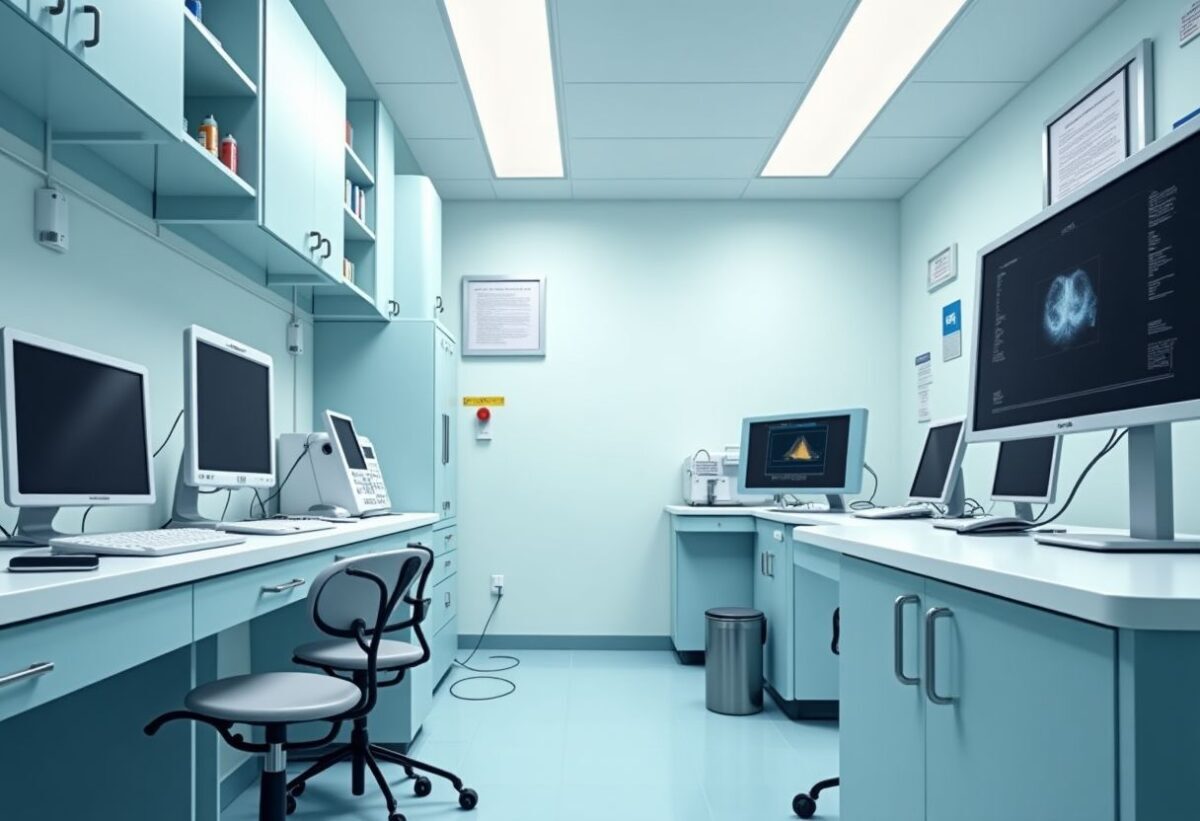
The equipment used in a medical office plays a fundamental role in the smooth conduct of consultations and the effective diagnosis of patients. From high-tech devices to simpler yet equally necessary instruments, each piece of equipment contributes to the overall efficiency of healthcare.
For healthcare professionals, choosing the right equipment is of utmost importance, as it affects not only the quality of care provided but also the patient experience.
Essential Equipment for Diagnosis
Diagnostic tools are at the heart of any medical practice. Their role is crucial in establishing a precise and quick diagnosis.
The stethoscope, for example, is one of the most emblematic and essential tools. Used to auscultate the internal sounds of the body, it allows doctors to detect anomalies in the heart, lungs, and other organs. Another fundamental instrument is the sphygmomanometer, which measures blood pressure, a key indicator of cardiovascular health. The thermometer, in its digital or infrared versions, is indispensable for measuring body temperature and identifying fever, often the first sign of infection.
Care and Treatment Tools
Once the diagnosis is made, it is imperative to have the appropriate tools to provide the necessary care. This equipment is as varied as the needs of each patient.
- Syringes and needles: Used to administer vaccines, medications, or to collect blood samples.
- Dressings and bandages: Essential in wound management to prevent infections and promote quick healing.
- Examination tables: An essential part of any office, allowing patients to be examined comfortably and securely.
- Defibrillators: Crucial in emergency situations, these devices save lives by restoring a normal heart rhythm.
Advanced Technology in Medical Offices
With the advent of technology, the landscape of healthcare has profoundly evolved. Modern medical offices are equipped with cutting-edge technologies to enhance the efficiency and precision of care.
Medical imaging systems, such as ultrasound machines and X-ray devices, allow for detailed visualization of the inside of the body.
Electronic medical records, which are rapidly replacing traditional paper records, facilitate tracking patients’ medical histories and improve communication among healthcare professionals.
Remote monitoring devices, combined with wearable sensors, allow for real-time tracking of patients’ health status, particularly beneficial for those with chronic illnesses.
Considerations for Purchasing Medical Equipment
Choosing the right medical office equipment requires thorough consideration of various aspects that ensure a wise investment.
- Quality and reliability: Equipment must comply with health and safety standards to ensure durable and secure use.
- Maintenance and support: Good after-sales service and regular maintenance are essential to prolong the lifespan of the equipment.
- Cost and budget: While the initial investment may be high, it is crucial to consider the total cost of ownership and potential return on investment.
- Adaptability and scalability: As medical needs constantly evolve, choosing equipment that can be upgraded or easily replaced with more modern versions is essential.