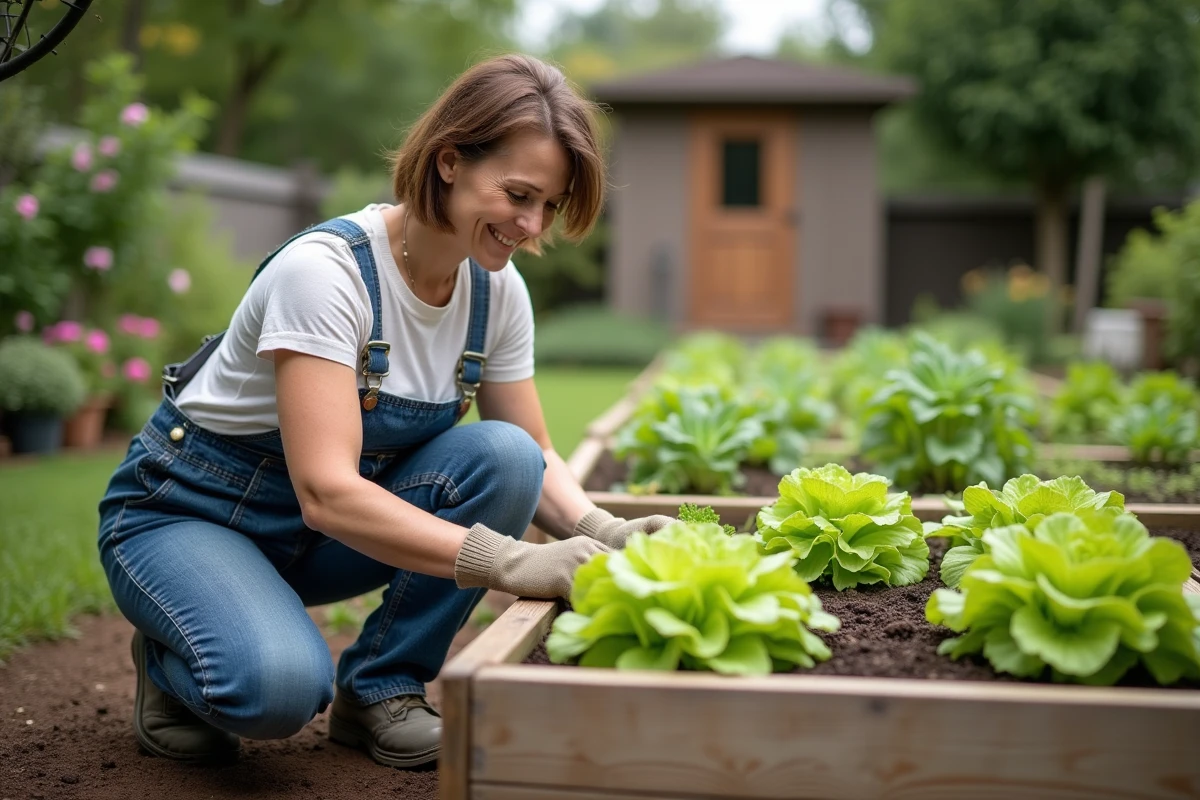
A poorly amended soil in spring can jeopardize the entire summer harvest, even with the best plant varieties. Certain species, such as leeks or cabbages, require strict rotation to limit the emergence of diseases invisible to the naked eye. Night watering, often recommended, actually promotes the proliferation of fungi during warm periods.
Each season imposes its constraints and opportunities, often poorly anticipated. Techniques are evolving: green manures, organic mulches, or natural alternatives are gradually replacing chemical products. Adapting practices remains the key to a productive, healthy, and resilient garden, regardless of the weather.
Understanding the needs of your garden throughout the seasons: a key to succeeding without stress
The garden changes its appearance over the months, subject to the whims of the climate, variations in light, and cycles specific to each region. To navigate this, nothing beats a careful reading of the gardening calendar. It then becomes possible to anticipate key actions, such as:
- Early sowing under cold frames to get ahead of spring
- Planting perennials in the fall for vigorous regrowth
- Dividing clumps at the end of winter to rejuvenate the flower beds
Each season imposes its rhythm, whether cultivating a vegetable garden or a few containers on a balcony. Understanding the nature of your soil and the exposure of your plot determines the success of the crops. Clayey, heavy soil retains moisture but can suffocate roots; conversely, sandy soil requires more frequent watering. Orientation also plays a role: tomatoes love light and warmth, while leeks are satisfied with moderate shade.
To better understand the garden’s requirements, here are the key points to remember:
- Sowing requires suitable varieties and a well-drained substrate, without excess water
- Practicing crop rotation preserves soil vitality and prevents many diseases
- Perennials yield returns year after year, while annuals need to be renewed each spring
Some skills are passed down through generations: taking cuttings to reproduce a plant identically, layering to strengthen a plant without moving it, dividing clumps to give new life to tired plants. Old varieties also allow for the harvest of reliable seeds, where F1 hybrids do not guarantee the same consistency. Installing a greenhouse, even a modest one, offers a reprieve to the season and extends harvests. To explore these tips and techniques further, the advice from jardiner-facile.com in the section “Jardiner Facile – My little recipes for your garden” is worth a visit.
What simple actions should be prioritized for a flourishing and environmentally friendly garden?
Often, simplicity pays off. Mulching is a common-sense action: it insulates roots from the cold, limits evaporation, keeps the soil cool, and slows the spread of unwanted weeds. Dead leaves, grass clippings, and chipped branches can all be used to cover your flower beds and vegetable garden, provided synthetic mulches are avoided. Additionally, this reduces the frequency of watering and boosts soil life.
Watering should not be left to chance, especially when heat sets in. Installing a rainwater collector prevents waste. Drip irrigation allows for efficient watering. It’s best to water early in the morning or in the evening, directly at the base of the crops. Mulching, again, acts as an ally by reducing water needs.
Green waste becomes a valuable resource thanks to compost. Peels, coffee grounds, crushed eggshells: all of these feed the composter and effectively replace commercial potting soil and fertilizers. Even in the city, a worm composter finds its place. Wood ashes, rich in potash, as well as nettle or comfrey teas, provide natural fertilization while enhancing plants’ resistance to diseases.
Crop associations naturally protect vegetables: tomatoes enjoy the company of basil, while carrots thrive near leeks. Rotating locations limits soil fatigue and slows the spread of pests. There’s nothing stopping you from recycling available materials to create containers or clever protections: nets or cut bottles, for example, can keep slugs and other unwanted guests at bay. A lively garden also attracts its allies: hedgehogs, birds, ladybugs. By acting with moderation, biodiversity reclaims its rights.
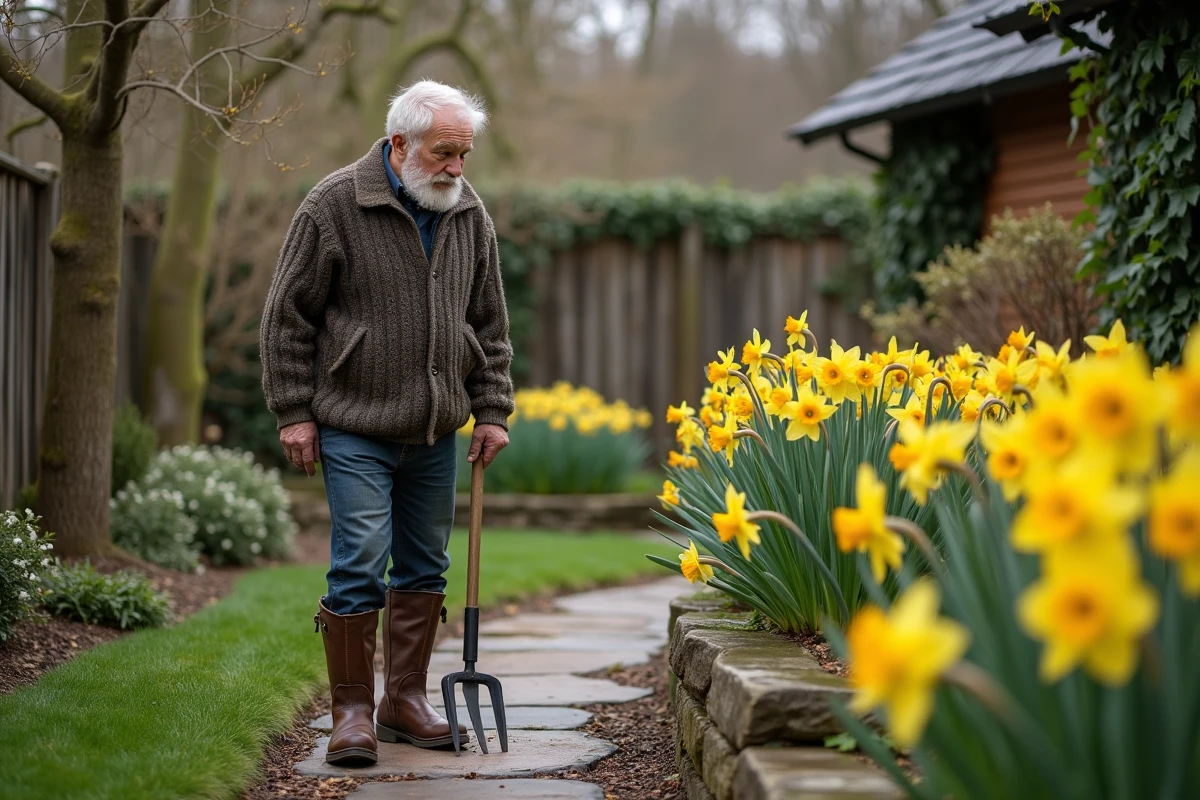
Anticipating and organizing your tasks: preparing your garden today for tomorrow’s harvests
Thinking ahead about your interventions gives coherence to your vegetable garden and allows for abundant harvests. Before each season, take the time to build a detailed gardening calendar:
- A roadmap to distribute sowing, planting, pruning, and harvesting, without stress or haste
This action plan avoids last-minute rushes, eases the workload, and optimizes the yield of the vegetable garden.
Starting sowing indoors at the end of winter gives you a head start. Choose adapted seeds, as old varieties are more reliable over time. Prepare a light, well-drained substrate to ensure uniform germination. Seeds harvested from the previous season, kept dry and out of light, retain their germination power longer.
There are plenty of opportunities to enrich your garden at a lower cost:
- Participate in plant exchanges to swap seeds or plants
- Draw from seed libraries to diversify your crops
- Visit plant fairs, where biodiversity is showcased in every pot
Taking cuttings, layering, and dividing perennials: these actions allow you to expand your plant palette without spending more. A few reliable tools are enough to support these tasks. Clean, sharpen, and store your spade, rake, or pruner after each use. Buying second-hand gardening tools or sharing them helps limit expenses. Careful maintenance of equipment extends its lifespan, lightens the task, and reduces the risk of disease transmission between crops.
With patience and observation, the garden transforms into a generous space, where each thoughtful action prepares for tomorrow’s harvests. With hands in the soil, the contours of beautiful days to come are already being traced.